Contact us

Products

Cotton Candy Vending Robot for Self-Service Retail

cotton candy vending robot

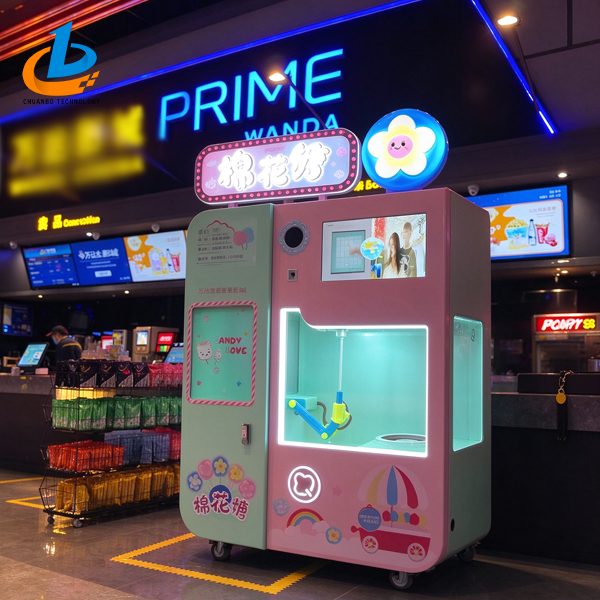
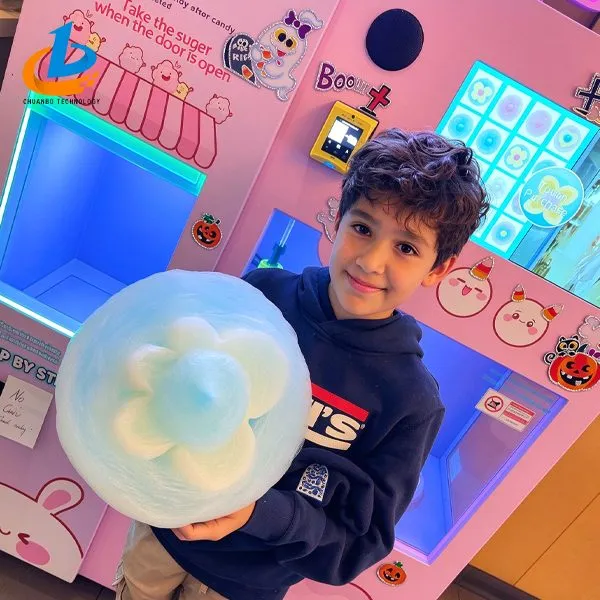
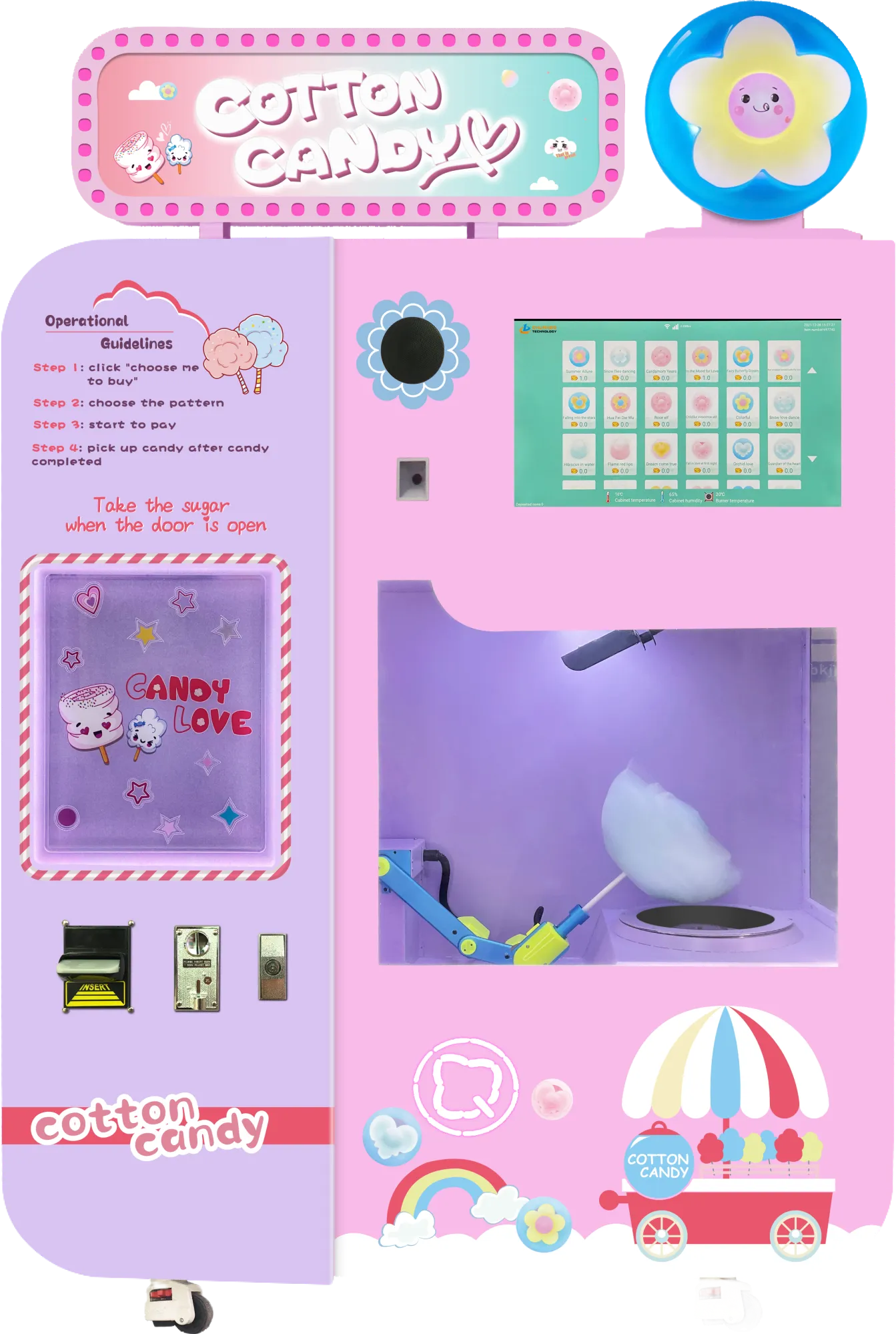
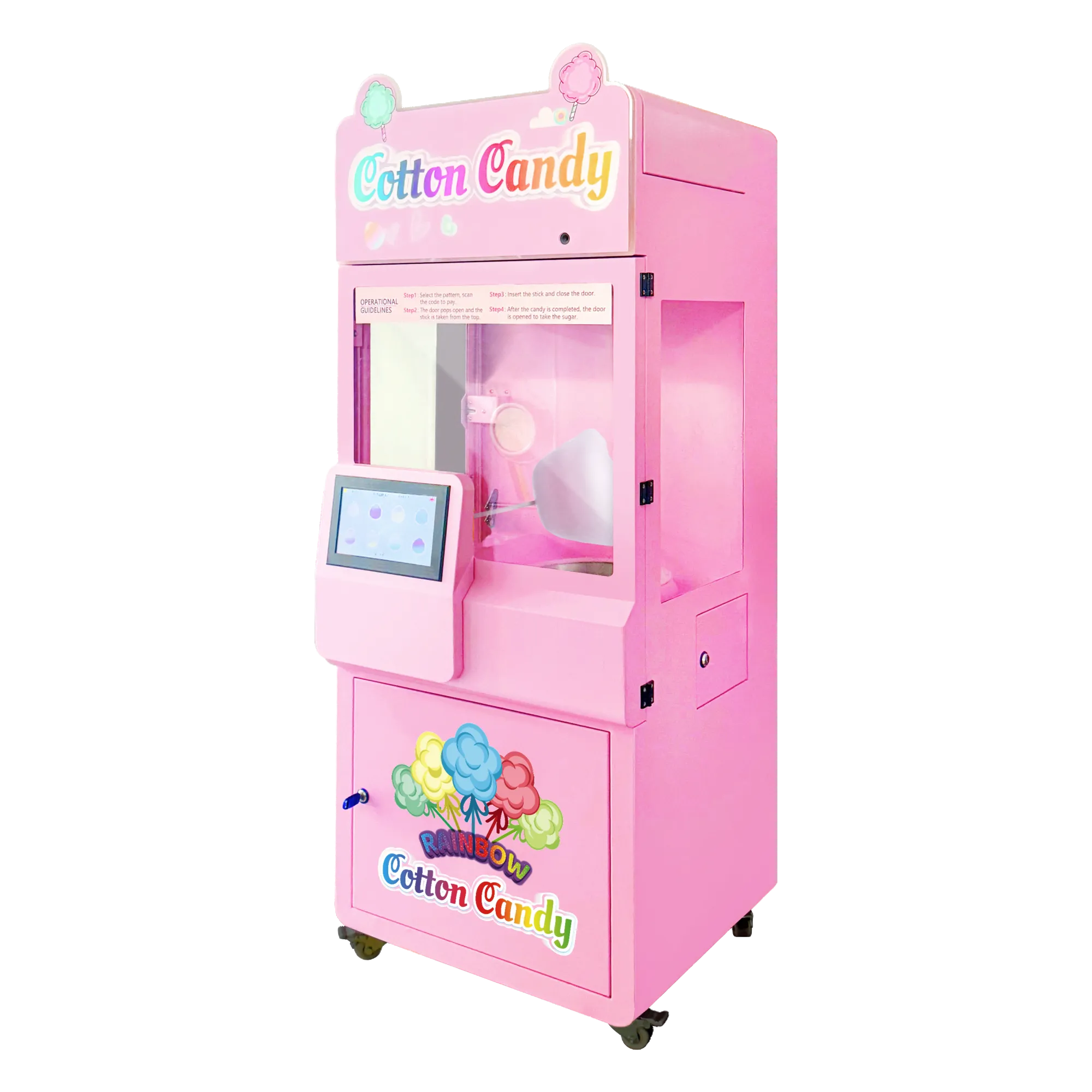
A cotton candy vending robot is an automated retail machine designed to prepare and dispense cotton candy with limited staff involvement. It may suit venue operators, concession businesses, and distributors assessing self-service snack sales, especially where customers can watch or collect a freshly prepared treat. The exact process, level of automation, and machine configuration vary by model, and no product datasheet has been provided for this listing. That means details such as dimensions, electrical requirements, production capacity, payment options, and cleaning procedures need confirmation before you plan a site or compare offers. Potential locations include indoor entertainment, retail, and leisure spaces, subject to the selected machine’s requirements and venue rules. Chuanbo Technology describes a process that begins with requirement consultation, followed by custom solution and quotation approval, design and production, inspection, and global delivery. For a useful first discussion, share your intended location, expected operating pattern, available utilities, and target configuration. The team can then clarify which technical information and documents apply to the proposed unit.

Technical Detail

Configured around process stability, mold life, and long-term uptime.

A cotton candy vending robot automates part or all of the process of turning sugar into cotton candy and presenting it for customer collection. In a typical machine, sugar is heated and spun into fine strands, while an automated system manages some combination of preparation, presentation, and dispensing. This describes the product category, not a verified configuration for a particular Chuanbo Technology model; the product-specific mechanism and included components have not been supplied. For a buyer, the practical distinction is how much of the customer journey the machine handles. Some configurations may involve automated preparation, while payment, serving, or replenishment arrangements can differ. Confirm these functions rather than assuming that the word robot guarantees a particular level of automation. No model number, output rate, machine dimensions, voltage, sugar specification, payment interface, or cleaning procedure is available in the supplied product information, so these should not be treated as established product features. Chuanbo Technology’s stated process covers requirement consultation, custom solution and quotation approval, design and production, inspection, and global delivery. This gives buyers a route to clarify the machine scope before production, but the final technical configuration and applicable documentation need to be confirmed for each proposal. The brand profile lists ISO 9001, FDA, and CE; ask which certificates or compliance documents apply to the company, the proposed machine, and the destination market. A clear technical scope is essential for evaluating a budget-focused purchase without relying on unverified assumptions.

Cotton Candy Vending Machine CB328

How automated cotton candy preparation works

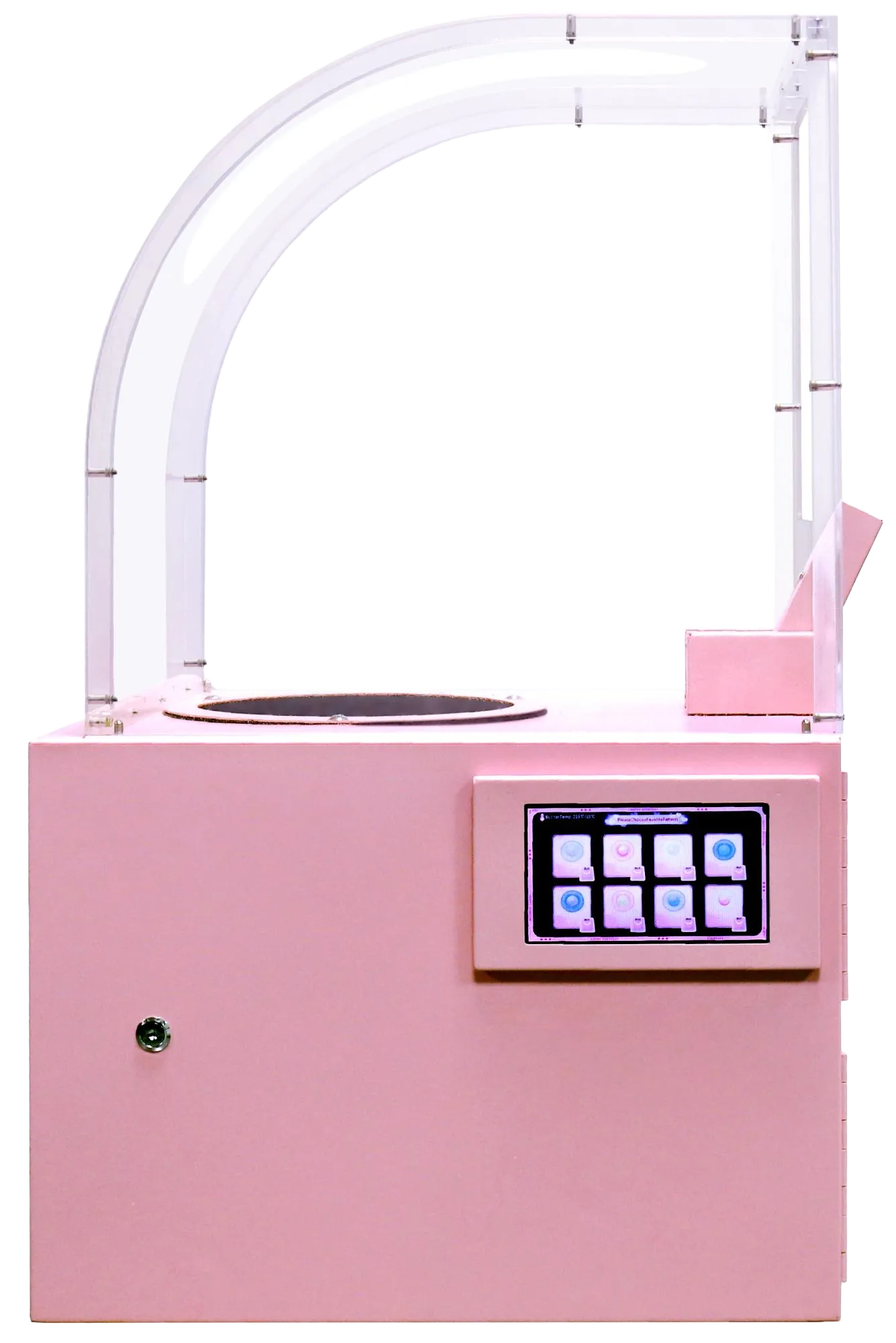
Cotton candy is formed by heating sugar and spinning it so that thin strands collect into a fluffy serving. In a vending format, automation can coordinate parts of that process, but the exact sequence depends on the machine design. A system may include a sugar-loading area, a heating and spinning mechanism, a collection or presentation space, and controls for starting a cycle. These are common functional elements of the product category, not a confirmed parts list for a Chuanbo Technology unit. The word robot can describe different degrees of automation. It does not, by itself, confirm that a machine accepts payment, handles packaging, replenishes ingredients, or completes every preparation step without an operator. Buyers should request a process description or demonstration materials that show what happens from customer selection through serving. Ask how sugar is loaded, how a serving is collected, and which steps require staff attention. That process-level explanation helps distinguish a genuinely self-service workflow from a machine that automates only the spinning stage, without assuming a particular mechanism or feature set.
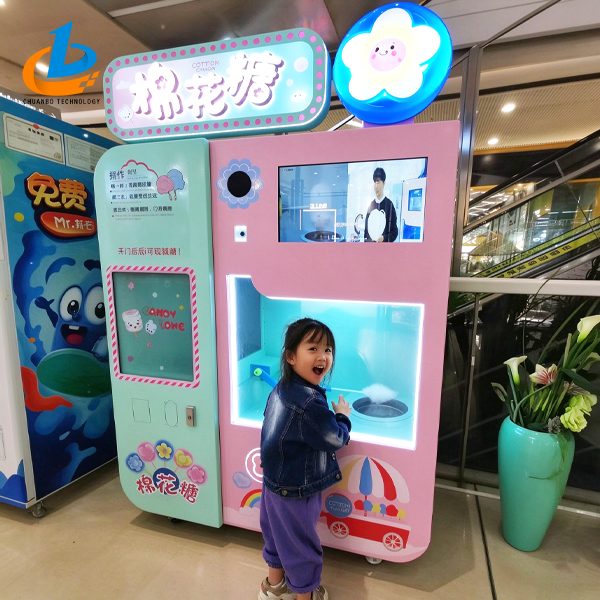
Cotton Candy Vending Machine CB328

Check the venue and operating conditions first

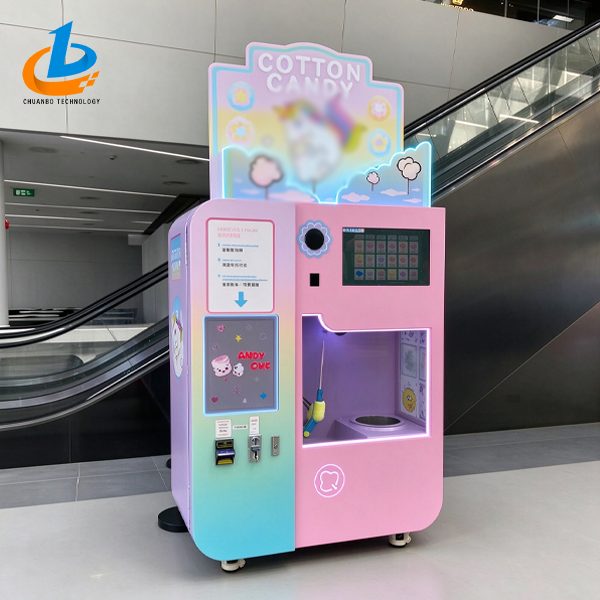
A machine that works well in one venue may not suit another. Before considering a cotton candy vending robot for a mall, family entertainment venue, cinema, or other public setting, establish whether the proposed model can operate within the site’s electrical, space, access, and operating requirements. These are possible application settings, not confirmed suitability claims for an unspecified model. Start with the site: record the available installation area, route for moving equipment into place, nearby power provision, and any venue rules for food preparation or public-facing machinery. Then describe expected operating periods and how staff would access the machine for replenishment and cleaning. Ask the supplier to confirm the unit’s voltage, footprint, ventilation or environmental limits, and required utilities in writing; none of these values is available in the current product information. Also check whether the venue’s food-safety procedures, permits, and local requirements impose conditions on preparation or service. If a requirement is not documented, treat it as unresolved rather than assuming the machine will meet it. This review can identify site conflicts before a purchase decision.

Cotton Candy Vending Machine CB328

Prepare a focused request for configuration and quotation

To move from a product idea to a comparable proposal, send Chuanbo Technology a concise requirement brief. Include the intended country and venue type, the available installation area, site power information, expected operating schedule, and how customers should order and pay. State whether staff will replenish ingredients or assist with service, and note any packaging, branding, language, or venue requirements that may affect the proposed configuration. These are questions for scope confirmation, not features confirmed for the machine. Ask the supplier to identify the proposed model or configuration and provide its specification sheet, including dimensions, electrical requirements, production capacity, supported ingredients, payment options, and maintenance instructions where applicable. Request confirmation of what is included, what is optional, and which inspection records and compliance documents can be provided for the destination market. Chuanbo Technology’s stated sequence is requirement consultation, custom solution and quotation approval, design and production, inspection, and global delivery. Use the consultation and approval stages to resolve open technical points before approving a quotation. Do not compare offers on headline price alone if their automation scope, included components, or documentation differ.

News

Industry updates

Products

Production modules

Why Choose Us

A defined project path for a clearly scoped vending solution

Chuanbo Technology presents a project sequence that starts with requirement consultation and moves through custom solution and quotation approval, design and production, inspection, and global delivery. For a buyer with a budget-focused brief, that sequence can help organize discussions around the intended use and proposed scope before committing to a configuration. It is a stated process, not a promise of a particular price, lead time, or outcome. The company also identifies custom solutions as part of its offer. Buyers can use the consultation to explain venue constraints and request confirmation of which changes are feasible for the cotton candy vending robot. The supplied brand profile lists ISO 9001, FDA, and CE. Because the scope and applicability of these credentials can differ, request the relevant documents and confirm whether they cover the supplier, the proposed equipment, or requirements in the destination market. Chuanbo Technology also lists inspection and global delivery in its process; ask what inspection evidence and shipping arrangements are included in the specific quotation. These points give purchasing teams practical items to verify when assessing technical fit and supplier documentation.

FAQ

Common technical questions

What specifications should I compare between cotton candy vending robot models?

Compare confirmed dimensions, voltage, production capacity or cycle time, supported ingredients, automation scope, payment functions, and cleaning requirements. No values for the listed product are available here, so request a model-specific datasheet and compare the same items across proposals.

Can this type of machine be used outdoors?

Outdoor suitability depends on the specific machine’s environmental limits and the site conditions. The supplied product information does not confirm an outdoor rating. Ask the supplier for written operating limits and check local venue requirements before planning an outdoor installation.

What should I ask about cleaning and daily operation?

Request the operating and cleaning instructions for the proposed model, including which parts require routine cleaning, how staff access them, and what shutdown steps apply. Do not rely on generic instructions in place of the manufacturer’s guidance for the actual machine.

How do I know whether a budget-oriented configuration is suitable for my venue?

Match the proposed automation and output capability to your expected operating pattern, staff involvement, site utilities, and installation space. Ask for a written scope that separates included functions from optional items, then review the total requirements and documentation before comparing quotations.

Need a solution for your project?

Share your product type, target capacity, and application requirements. Our team can review the details and recommend a practical next step.

Contact Us