 EN
 es
 fr
 pt
 ru
 ar
 de
 ja
 ko
 he
 tr
 nl
 it
 pl
 uk
 sk
 th
 da
 ro
 sv
 lt
 bg
 fi
 hr
 no
 ga
 sl

How Freezing, Agitation, and Air Create Soft Serve
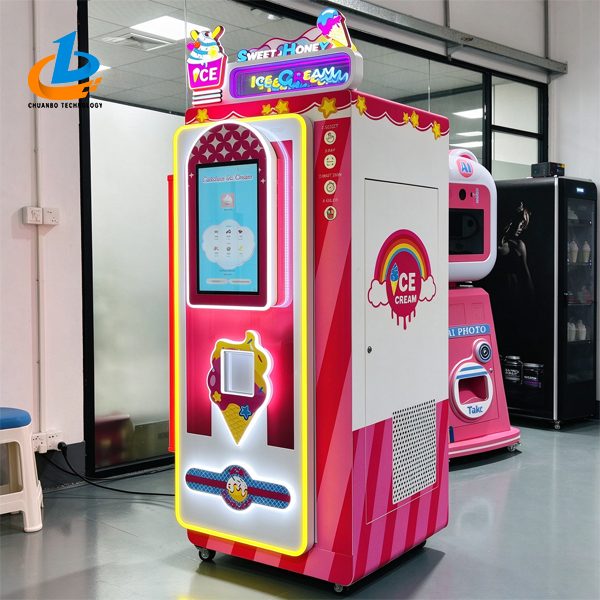
Soft serve machines turn a suitable liquid mix into a partially frozen product that remains dispensable. In a typical design, a refrigeration system removes heat from a freezing cylinder while a rotating beater scrapes frozen material from the cylinder wall and keeps the product moving. This interaction helps control ice crystal formation and produces the texture associated with soft serve. Air incorporation also affects the result. The amount of air in the finished product is commonly described as overrun; it influences density and the volume obtained from a given quantity of mix. Gravity-fed and pump-fed systems handle mix delivery differently, but neither arrangement is confirmed for the Chuanbo Technology offering described here. Product consistency depends on the relationship between refrigeration, agitation, mix formulation, and control settings. A firmness setting alone does not describe the entire process. Chuanbo Technology's custom solution process makes the actual feeding system and control arrangement subjects for technical clarification. Without a model data sheet, these operating principles explain the category rather than establish a particular machine's construction or performance.