 EN
 es
 fr
 pt
 ru
 ar
 de
 ja
 ko
 he
 tr
 nl
 it
 pl
 uk
 sk
 th
 da
 ro
 sv
 lt
 bg
 fi
 hr
 no
 ga
 sl

How Case Material and Shape Affect Print Compatibility
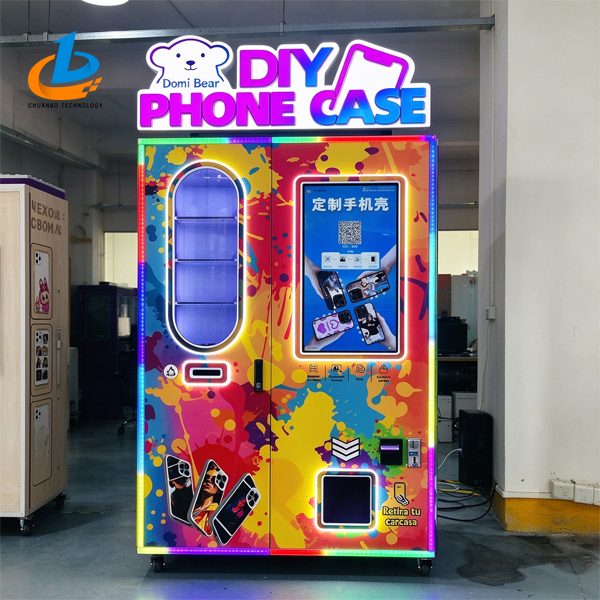
Phone cases differ in surface chemistry as well as shape. A rigid plastic back, a soft flexible shell and a coated blank can respond differently to the same decoration process. Ink or another image layer must form a suitable bond with the receiving surface. A design that looks acceptable immediately after printing may still show poor adhesion or cracking during use if the process and substrate are incompatible. Geometry creates a separate issue. Raised camera surrounds, curved edges and uneven backs can interfere with stable positioning or access to the printable area. A nominal case dimension therefore does not describe the whole printing task. The usable surface and the way the case rests in its holder also matter. Chuanbo Technology's requirement consultation is relevant because these details define the application before a custom solution is developed. The available information does not establish a particular printing method or universal material compatibility. Compatibility should be understood as a relationship among the case, its surface treatment and the proposed process.