 EN
 es
 fr
 pt
 ru
 ar
 de
 ja
 ko
 he
 tr
 nl
 it
 pl
 uk
 sk
 th
 da
 ro
 sv
 lt
 bg
 fi
 hr
 no
 ga
 sl

How Fresh Juice Vending Typically Works
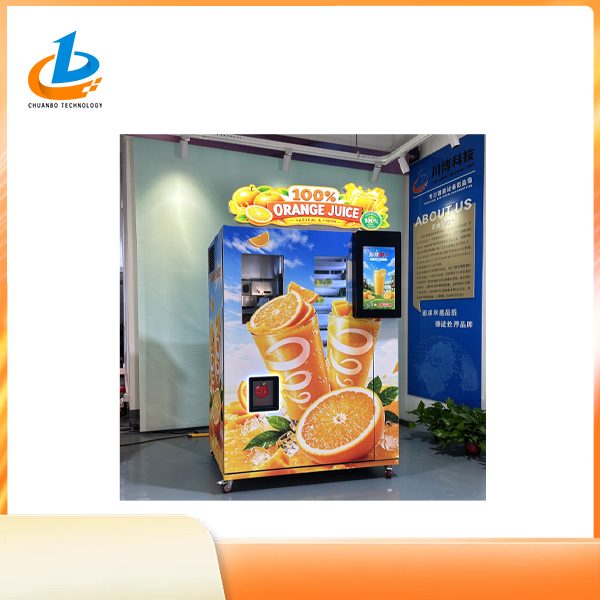
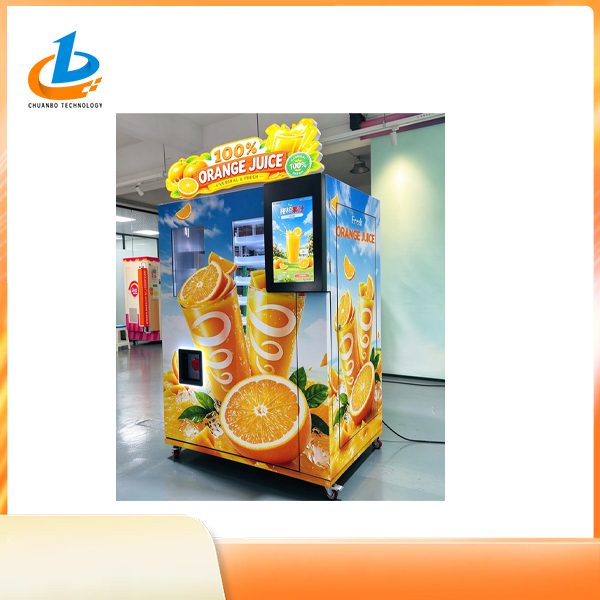
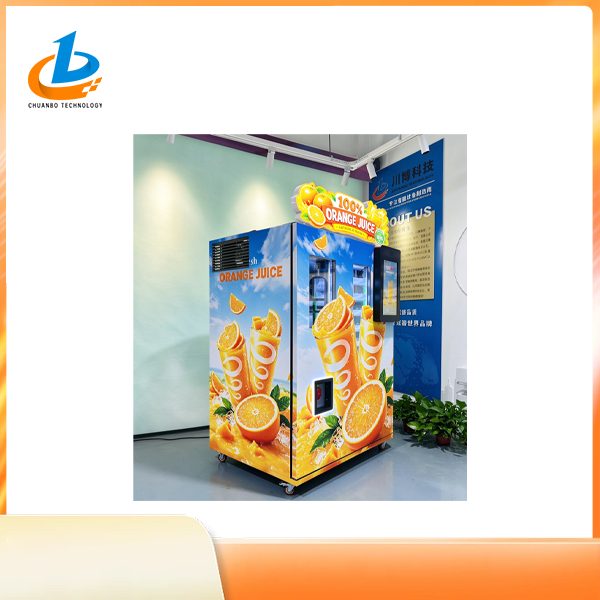
A fresh-juice vending cycle generally links product storage, order input, juice preparation, dispensing, and waste handling through a control system. After the customer selects and pays for a drink, sensors and programmed controls may release the required fruit or ingredient quantity into the processing section. Juice is then extracted and directed into a cup or other container. The machine must also separate peel, pulp, seeds, and liquid residues so staff can remove waste without contaminating food-contact areas. This is a general operating model, not a confirmed description of a Chuanbo Technology unit. The supplied information does not identify whether its proposed machine uses whole oranges, preprocessed ingredients, chilled storage, cup sealing, or a particular extraction method. Those details affect juice texture, cleaning effort, ingredient shelf management, and the visible preparation experience. Buyers should ask for a functional diagram showing the route from storage to dispensing, together with identification of removable food-contact parts and waste points. A demonstration video or test procedure can help verify the actual sequence. It is also useful to distinguish between features controlled automatically and tasks that still require staff, such as loading fruit, replacing cups, emptying residue, sanitizing components, and restarting the unit after service.