 EN
 es
 fr
 pt
 ru
 ar
 de
 ja
 ko
 he
 tr
 nl
 it
 pl
 uk
 sk
 th
 da
 ro
 sv
 lt
 bg
 fi
 hr
 no
 ga
 sl

How Case Material and Surface Shape Affect Printing
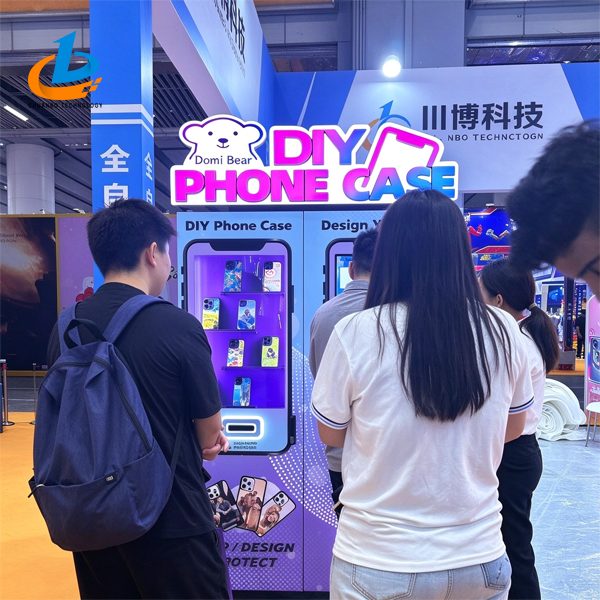
The phrase customized phone case printer describes an application, but it does not establish a particular printing method or universal material compatibility. The result depends on how the proposed printing process interacts with the case surface. Rigid plastic, flexible materials, and coated blanks can behave differently, even when their finished appearance looks similar. Surface texture and existing coatings may influence adhesion. Case geometry matters too: raised camera surrounds, curved edges, and recessed areas can affect positioning or access to the intended print area. A visible flat back does not prove that the entire case can receive an equally consistent image. If a proposed process requires surface treatment, curing, or another finishing step, that step forms part of the printing workflow. Chuanbo Technology's requirement consultation provides a place to document these characteristics before a custom solution is developed. The supplied information does not identify ink chemistry, printing technology, or supported case materials. These principles therefore explain the compatibility questions involved; they do not confirm performance on any particular blank.