Contact us

Products

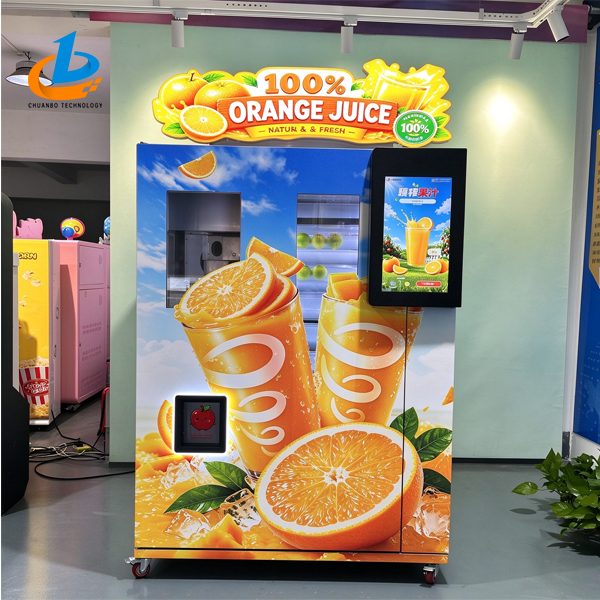
Automatic Orange Juice Machine for Commercial Operations

automatic orange juice machine

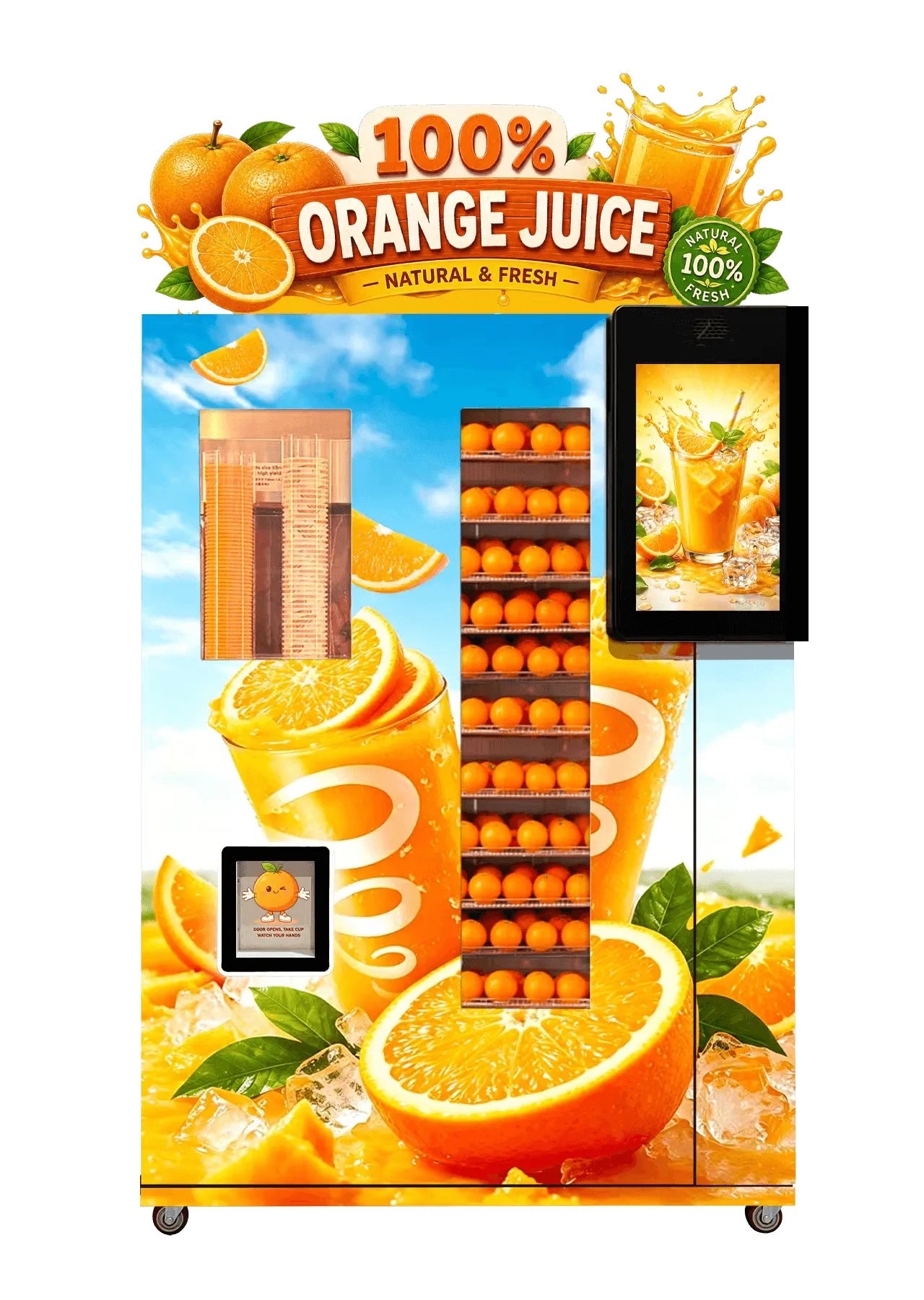
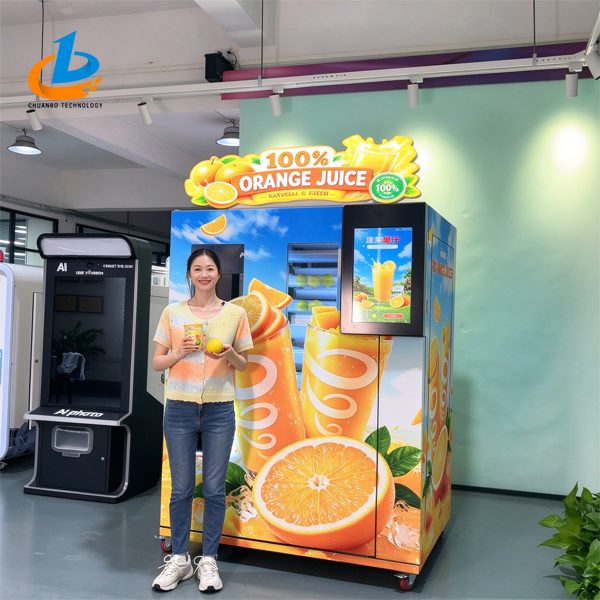
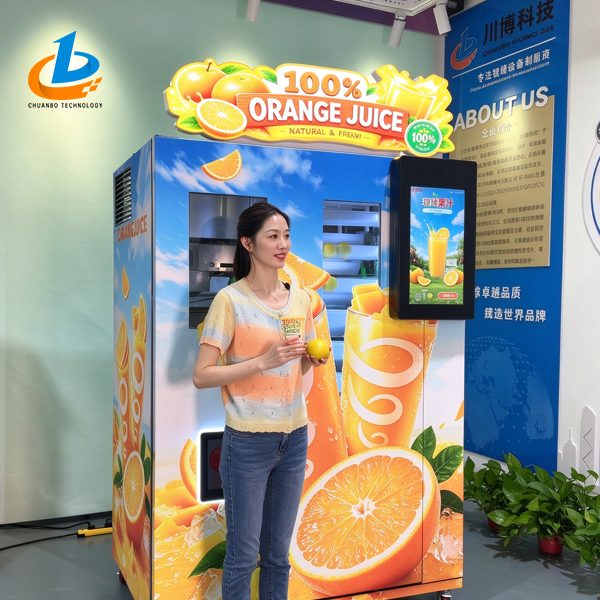
An automatic orange juice machine is commercial equipment designed to reduce the manual work involved in turning oranges into ready-to-serve juice. Depending on its final configuration, the machine may automate fruit feeding, cutting or pressing, juice separation, and collection. It can suit juice bars, breakfast venues, cafeterias, supermarkets, food-service operators, and beverage processors that need a more repeatable workflow than hand squeezing provides. Chuanbo Technology approaches this product as a budget-focused, technical solution rather than a fixed machine for every site. That distinction matters because orange size, expected hourly demand, available floor space, electrical conditions, cleaning routines, and the required juice presentation can affect the appropriate design. A buyer serving juice directly to customers may prioritize simple operation and visible hygiene, while a production facility may care more about continuous feeding and integration with downstream handling. Before requesting a quotation, buyers should define the intended application, target capacity, fruit characteristics, installation environment, utilities, and required compliance documents. These details establish whether an automatic orange juice machine can fit the actual operating conditions.

Technical Detail

Configured around process stability, mold life, and long-term uptime.

Chuanbo Technology supplies automatic orange juice machine solutions through a structured project process intended to keep technical decisions and spending aligned. The commercial starting point is Requirement Consultation, during which the buyer's application, fruit conditions, operating schedule, installation constraints, and desired result can be documented. This is followed by a Custom Solution & Quotation Approval stage, allowing the proposed scope to be reviewed before Design & Production begins. Inspection & Global Delivery forms the final stated stage. This workflow is particularly relevant to budget-conscious buyers because the quotation can be based on defined requirements instead of unsupported assumptions or unnecessary options. No fixed throughput, dimensions, power rating, feed size, juice yield, or construction material has been provided for the machine described on this page. Those items therefore need written confirmation for the selected design rather than being treated as standard specifications. The available brand information lists ISO 9001, FDA, and CE credentials. Buyers should ask which documents apply to the manufacturer, the selected machine, its food-contact parts, or the destination market, since these categories are not interchangeable. The result is a technically reviewed purchasing path with four stated stages and three listed compliance references, while the machine configuration remains tied to the buyer's confirmed operating brief. This avoids presenting one generic automatic orange juice machine as suitable for every orange variety, service model, or regulatory environment.

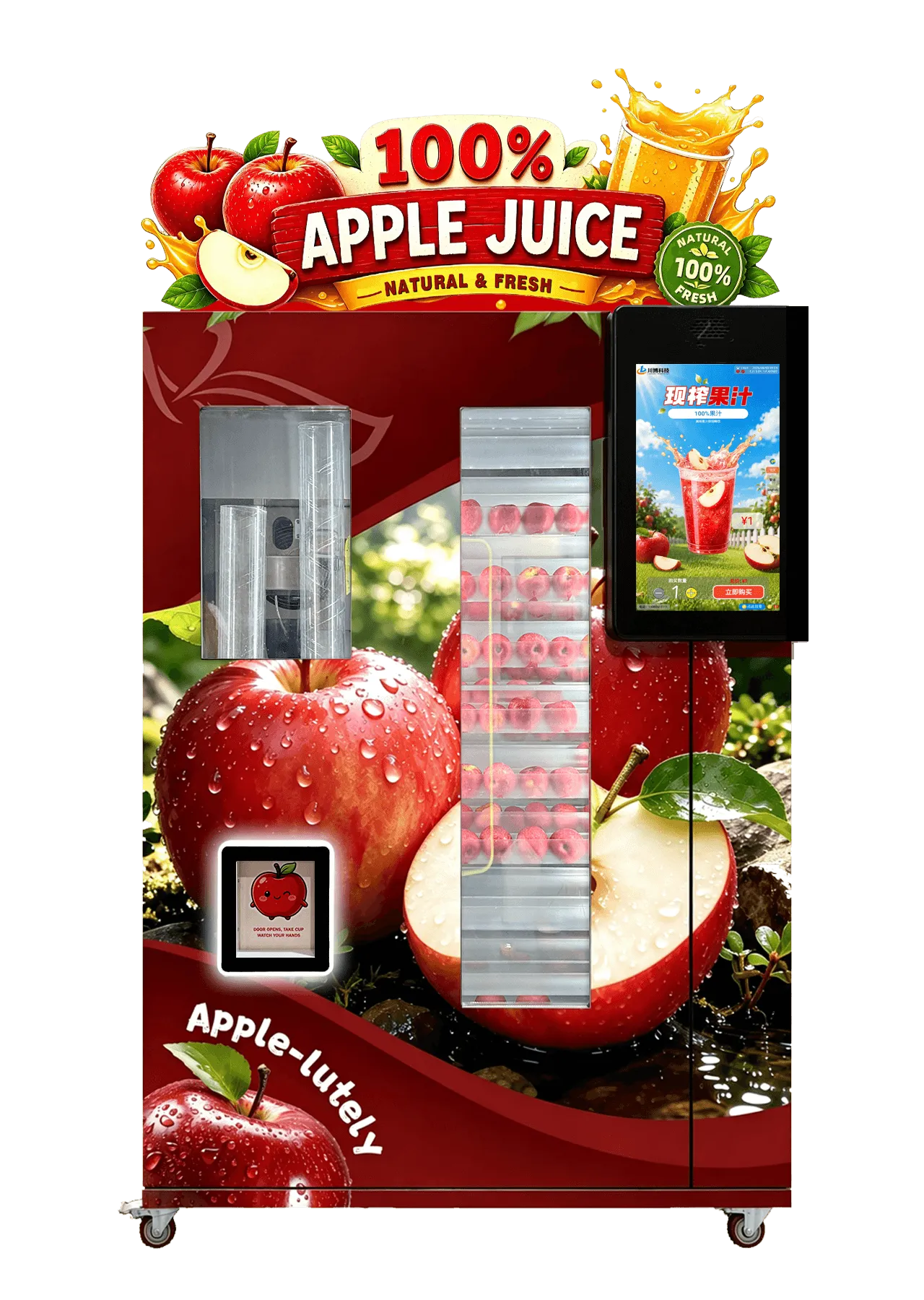
Fresh Apple Juice Vending Machine

How Automated Orange Extraction Typically Works

The operating sequence of an automatic orange juice machine depends on its design, but commercial systems generally move fruit through several functional stages. Oranges first enter a feeding area, either manually or through a larger supply arrangement. A controlled mechanism then positions the fruit for cutting, crushing, reaming, or pressing. The extracted liquid is directed toward a collection point, while peel, seeds, and heavier pulp are separated or discharged according to the machine structure. Automation may coordinate these actions to make each cycle more consistent and reduce repeated hand squeezing. This general mechanism does not establish the exact design of a Chuanbo Technology machine. The supplied information does not identify whether a proposed model uses whole-fruit pressing, rotary reaming, paired cups, filtration screens, or another extraction route. Each route can affect pulp content, peel contact, waste handling, and cleaning access. Buyers should therefore request a process diagram or technical description for the offered configuration. Understanding the path taken by the fruit, juice, and peel makes it easier to review sanitation points and determine how the machine will connect with serving, storage, or subsequent processing equipment.
Fresh Apple Juice Vending Machine

Check the Fruit, Workload, and Site Before Assessing Fit

Suitability should be judged against the real operating environment rather than the word "automatic" alone. Start with the oranges: record the usual size range, whether fruit arrives graded, and how much variation appears between batches. A feeding or extraction mechanism designed around one size range may perform differently when fruit is unusually small, large, soft, or irregular. Next, examine demand. Short service peaks in a hotel or café create a different duty pattern from sustained processing in a beverage facility, even when the daily juice volume is similar. The site also matters. Available space, ventilation, drainage, water access, electrical supply, waste removal, operator access, and local hygiene rules can determine whether a machine is practical. Buyers should evaluate the expected pulp level and acceptable peel-oil contact as well, because extraction methods can influence the finished drink. Chuanbo Technology has not supplied fixed environmental limits or utility values for this product, so suitability must remain conditional until the proposed design is documented. If fruit specifications, workload, or site utilities fall outside the confirmed range, feeding interruptions, inconsistent extraction, difficult cleaning, or premature wear may result. Samples or photographs can help the technical review where fruit variability is significant.

Fresh Apple Juice Vending Machine

Information to Prepare for Model Selection and Quotation

A useful quotation request should describe the job before asking for a model number. State the application, such as made-to-order retail service, breakfast operation, institutional catering, or juice processing. Provide the target output using a practical unit, preferably oranges or liters per hour, and include peak demand rather than daily volume alone. Add the expected operating hours and number of shifts. Fruit information should cover variety where known, typical diameter range, condition at feeding, and whether washing or grading occurs upstream. For the installation, send the destination country, available voltage and frequency, usable footprint, access restrictions, and details of water, drainage, and waste handling. Also define the desired pulp level, collection method, cleaning expectations, and any need to connect the machine with other equipment. Ask Chuanbo Technology to identify included components, optional configurations, consumables, spare or wear parts, operator requirements, and the documents supplied with the proposed machine. Compliance requirements should be named explicitly rather than summarized as "international standard." This information supports the company's stated Requirement Consultation and Custom Solution & Quotation Approval stages. The buyer can then compare scope, technical compatibility, and exclusions before approving Design & Production, with inspection requirements agreed before global delivery.

News

Industry updates

Products

Production modules

Why Choose Us

A Technical, Budget-Aware Route from Requirement to Delivery

Chuanbo Technology's stated advantage is a defined four-stage project route: Requirement Consultation, Custom Solution & Quotation Approval, Design & Production, followed by Inspection & Global Delivery. For an automatic orange juice machine, this sequence gives buyers a practical point at which to disclose fruit variation, site conditions, output expectations, and destination requirements before production decisions are finalized. The budget positioning is useful where buyers want the equipment scope tied to operating needs, although final value can only be judged after the configuration and quotation are reviewed. The brand also lists ISO 9001, FDA, and CE credentials. These references can support supplier and compliance evaluation, but purchasers should obtain current copies and verify their scope, issuing body, validity, and relevance to the exact machine and market. The inspection stage provides an opportunity to agree what will be checked before dispatch, such as the approved configuration, visible workmanship, documentation, and functional test criteria, subject to the project agreement. Custom solution review and global delivery experience are particularly relevant for cross-border purchases, where voltage, labeling, manuals, packaging, and import documentation may differ. Chuanbo Technology therefore offers a consultation-led path for buyers who need technical clarification and cost control before committing to a machine design.

FAQ

Common technical questions

Should I compare machines by oranges per hour or liters per hour?

Use both if suppliers can provide them under stated test conditions. Fruit count indicates feeding workload, while liters per hour reflects usable output. The figures are not directly interchangeable because orange size, variety, ripeness, pulp setting, and extraction method affect juice yield. Ask that every quoted capacity be linked to a defined fruit sample and operating basis.

Can this machine be used where customers watch the juice being made?

Potentially, but the proposed configuration must be reviewed for front-of-house use. Ask about guarding, noise, footprint, splash control, peel collection, cleaning access, and the appearance of food-contact areas. Chuanbo Technology has not provided model-specific values for these points, so confirm them in the requirement consultation before selecting equipment for an open retail counter.

What cleaning details should operators confirm before purchase?

Request the recommended cleaning sequence, cleaning frequency, removable-part list, acceptable cleaning agents, and any areas that require tools to access. Also check how juice, pulp, and peel are drained or removed. A machine that fits the output target may still be unsuitable if its cleaning procedure conflicts with staffing, opening hours, or local sanitation rules.

Does CE, FDA, or ISO 9001 mean the selected machine is automatically approved for my market?

No. ISO 9001 generally relates to a quality management system, while CE and FDA references can involve different products, documents, and regulatory contexts. Ask Chuanbo Technology for current evidence tied to the manufacturer and proposed configuration, then verify the destination country's electrical, food-contact, labeling, and import requirements.

Which spare parts should be included in an initial order?

That depends on the final extraction and feeding mechanism. Ask the supplier to identify routine wear parts, recommended service items, required tools, replacement intervals where documented, and parts that may be difficult to source locally. Match the spare-parts plan to operating hours and maintenance capability rather than ordering an unspecified package.

Need a solution for your project?

Share your product type, target capacity, and application requirements. Our team can review the details and recommend a practical next step.

Contact Us